

Disclaimer: The information provided on PoodleReport.com is for educational purposes only and does not constitute veterinary medical advice; always consult your vet before changing your dog’s diet. Additionally, this post contains affiliate links. As an Amazon Associate, and other affiliate advertising programs, I earn from qualifying purchases at no extra cost to you.
Poodles have a rather stubborn image problem. Depending on which corner of the internet you frequent, they are either portrayed as delicate, manicured show dogs with geometrically impossible haircuts, or they serve as the foundational genetic ingredient for an ever-expanding list of “doodles” boasting names that sound remarkably like artisanal pastries. Neither picture is entirely biologically accurate.
There are exactly three officially recognized types of purebred Poodles: the Standard, the Miniature, and the Toy. While you will frequently encounter creative marketing labels like “Teacup” sizes or an endless parade of crossbred “Doodles,” these are not distinct, official purebred classifications. Regardless of the size variation or the trendy hybrid name, all true Poodles share the exact same highly intelligent, curly-haired genetic blueprint.
Choosing the right Poodle often means untangling a web of kennel club rules and designer-dog marketing. Beneath the trendy “Doodle” names and pom-pom haircuts lies one of the most intelligent, versatile breeds in the world. This guide cuts through the promotional fluff to break down official purebreds, unpredictable hybrids, and how to match the perfect dog to your lifestyle—saving you time, money, and a whole lot of dog hair.
1. Quick Summary: Poodle Types at a Glance
For those who prefer their conclusions delivered before the evidence, here is the biological and bureaucratic reality of the breed in 2026:
The Official Trio: There are exactly three officially recognized purebred Poodle types: Standard, Miniature, and Toy.
The Shared Brain: All three share incredibly similar intelligence markers, temperaments, and coat mechanics. You are essentially buying the same high-performance software installed in three different hardware sizes.
The Marketing Myths: “Teacup” and “Royal” Poodles are highly creative marketing terms designed to inflate prices, not official biological categories.
The Doodle Lottery: Poodle mixes (Doodles) are highly variable. They do not possess standardized traits, meaning their coats, adult sizes, and temperaments are always a roll of the genetic dice.
The Lifestyle Match: The “best” Poodle depends almost entirely on your available square footage, your daily energy output, and your personal tolerance for brushing dog hair.
If that already clarified things, you are officially ahead of the curve. Now, let’s dig into the details of canine genetics and behavior.
2. What Are the Different Types of Poodles?
At a foundational genetic level, all Poodles belong to the exact same breed. A four-pound Toy Poodle and a seventy-pound Standard Poodle share the same ancestral DNA blueprint. The radical physical differences we observe today are almost entirely due to generations of meticulous selective breeding for size classification, driven largely by mutations in the IGF1 gene which dictates canine skeletal growth.
However, modern dog culture has introduced two heavily complicating factors that muddy the waters for researchers and owners alike.
2.1. Non-Standard Size Labels
If you spend five minutes looking at breeder listings, you will inevitably encounter terms like Teacup, Tiny Toy, Royal, and Moyen. These sound highly official and often come with an astronomical premium price tag. But legally and biologically speaking, most of them do not exist in the eyes of major kennel clubs. Some of these terms are useful regional descriptors, while others are purely promotional vocabulary best viewed with deep suspicion.
2.2. The Rise of Poodle Mixes
Over the last two decades, Poodles have become the ultimate canine canvas. They are crossbred with other dogs to create hybrids, affectionately and universally categorized as “Doodles.” Because of their overwhelming popularity, these mixes are sometimes mistakenly treated as if they were standardized, predictable types of Poodles.
To avoid total analytical chaos, we must divide the world of Poodles into two distinct categories:
Purebred Poodle Types (Official & Standardized)
- Standard
- Miniature
- Toy
Poodle Mixes (Hybrids & Unpredictable)
- Labradoodle
- Goldendoodle
- Cavapoo
- And dozens of others
This distinction is critical if you care about predictability in size, coat, and behavior.
3. The 3 Official Poodle Types

These are the only Poodles formally recognized by major governing bodies like the American Kennel Club (AKC). Everything else builds upon—or deviates from—this original foundation.
3.1. The Standard Poodle
The Standard Poodle is the original blueprint—the robust, athletic version of the breed that predates apartment living and social media aesthetics. Originally bred as a specialized duck hunter, the Standard is a substantial working dog cloaked in elegance.
Height: Over 15 inches at the shoulder (typically 20-24 inches)
Weight: 40–70 pounds
Lifespan: 10–18 years
Temperament & Personality:
As I cover extensively in my Standard Poodle guide, these dogs are consistently ranked among the top three most intelligent dog breeds in the world. They are highly energetic, deeply athletic, and profoundly social. Unlike some working breeds that attach to a single person and ignore the rest of the world, Standards are highly engaging, though they rarely display the anxious “velcro” clinginess seen in smaller companion breeds.
They are frequently described in veterinary and behavioral literature as “versatile.” In the dog world, this is a polite way of saying they are capable of doing almost anything—from advanced agility courses to psychiatric service work—provided you do not allow them to get bored.
My late companion, Angus, was a textbook example of this; he was a solid black Standard Poodle who navigated our home with a quiet, observant dignity, but required rigorous, engaging “jobs” every single day to keep his formidable brain from finding its own, often destructive, entertainment.
Strengths:
- An exceptional choice for active families who hike, run, or swim.
- Highly responsive to advanced, negotiation-based training.
- Excellent with children when properly socialized from puppyhood.
- Deep-chested lung capacity allows for incredible stamina.
Challenges:
- They require significant, structured mental stimulation. A walk around the block is never enough.
- They have a surprisingly high prey drive inherited from their retriever days.
- They can develop severe behavioral neuroses if consistently under-exercised.
3.2. The Miniature Poodle
The Miniature Poodle is what happens when breeders successfully take the Standard’s formidable intelligence and compress it into a more manageable, mid-sized frame without sacrificing the breed’s physical integrity. Historically used as circus performers and truffle hunters in the French countryside, the Miniature is a master of rapid adaptation.
Height: 10–15 inches at the shoulder
Weight: 10–15 pounds
Lifespan: 12–16 years
Temperament & Personality:
Miniature Poodles are incredibly alert, nimble, and responsive. Because their metabolism and heart rate run slightly faster than a Standard’s, they often present as slightly more energetic and “bouncy” relative to their size. They also tend to be slightly more vocal, using a variety of huffs, grunts, and barks to communicate their daily opinions on the household dynamic.
Strengths:
- The absolute ideal balance between physical capability and manageable size.
- Perfectly suited for urban apartment living or suburban houses.
- Easier to physically manage on a leash and transport than a Standard.
- Excellent candidates for fast-paced dog sports like flyball and agility.
Challenges:
- They possess a higher propensity for alert barking, requiring early training to manage.
- They are prone to a “Napoleon complex” if owners fail to set boundaries.
- The coat maintenance remains just as intense as their larger cousins.
3.3. The Toy Poodle
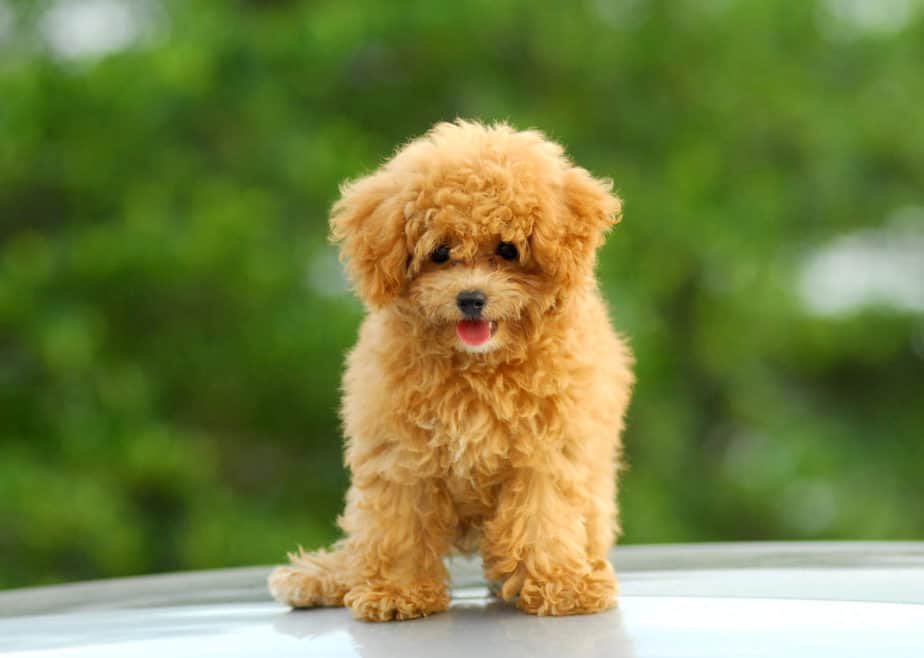
The Toy Poodle is a triumph of selective breeding. They are incredibly small, but they are not biologically simplified. Originally bred in the 18th century as literal hand-warmers and companions for the French aristocracy, they are lap dogs equipped with the cognitive processing power of a working retriever.
Height: Under 10 inches at the shoulder
Weight: 4–6 pounds
Lifespan: 14–18 years
Temperament & Personality:
Toy Poodles are intensely people-oriented. They are intelligent, highly observant, and often display a startling level of self-confidence that far exceeds their physical footprint. They excel as dedicated companion dogs and tend to prefer close physical proximity to their human counterparts—frequently demanding to be carried or seated directly on your lap at all times.
Because their stomachs are so small, their metabolism processes calories rapidly. This requires owners to feed them several small meals throughout the day to prevent severe drops in blood sugar (hypoglycemia).
Strengths:
- Unmatched companionship qualities for individuals seeking a shadow.
- The ultimate dog for micro-apartments and dense urban living.
- They boast an exceptionally long lifespan, often reaching their late teens.
Challenges:
- They are physically delicate; a drop from a high bed can result in a fractured limb.
- Highly prone to severe separation anxiety if not taught independence early.
- Dental decay happens rapidly due to severe overcrowding in their tiny jaws.
3.4. Poodle Size Comparison Matrix
| Type | Height | Weight | Lifespan | Best Environment For |
| Standard | 15+ inches | 40–70 lbs | 10–18 yrs | Active families, outdoor recreation, homes with yards |
| Miniature | 10–15 inches | 10–15 lbs | 12–16 yrs | Versatile households, apartments, first-time owners |
| Toy | Under 10 inches | 4–6 lbs | 14–18 yrs | Dedicated companions, seniors, micro-living spaces |
4. Poodle Mixes (Doodles): The Hybrid Explosion
If purebred Poodles are the pinnacle of predictability, Poodle mixes are best described as an exercise in genetic creativity.
A Poodle mix (or “Doodle”) is produced by crossing a purebred Poodle with another distinct breed. The goal of this designer crossbreeding is usually an attempt to capture the Poodle’s high intelligence and low-shedding coat, while blending it with the desired temperament or physical traits of the secondary breed.
Interestingly, Wally Conron, the Australian breeder credited with creating the first Labradoodle in 1989 for a vision-impaired woman with a dog allergy, later stated he deeply regretted the creation, as it sparked an unregulated “designer dog” craze that largely ignored health testing.
4.1. The Science of Hybrid Generations
When researching Doodles, you will see confusing letter-number combinations. Here is what they actually mean:
- F1 (First Generation): 50% Poodle / 50% Other Breed. (e.g., A Golden Retriever crossed with a Standard Poodle). The coat and shedding are highly unpredictable.
- F1B (First Generation Backcross): 75% Poodle / 25% Other Breed. (e.g., An F1 Goldendoodle crossed back to a purebred Poodle). Breeders do this to increase the likelihood of a non-shedding coat.
- F2 (Second Generation): 50% Poodle / 50% Other Breed (e.g., An F1 Goldendoodle crossed with another F1 Goldendoodle). This is the most genetically unpredictable pairing possible.
4.2. The Important Genetic Caveat
Before diving into the types of mixes, we must address a critical scientific reality: Poodle mixes are not standardized breeds. According to canine geneticists, this means their coat type can vary dramatically within a single litter, their adult size is often unpredictable, and their temperament relies entirely on which parent’s DNA was dominant. In other words, when you buy a hybrid, you gain aesthetic variety, but you entirely sacrifice biological consistency.
While these three categories represent the official biological standards, the nuances of each type—from historical working lineages to specific size variations—are extensive. For a deeper dive into individual breed spotlights and the latest data on sizing trends, explore my comprehensive research archive on Poodle types.
5. The Most Popular Hybrid Profiles
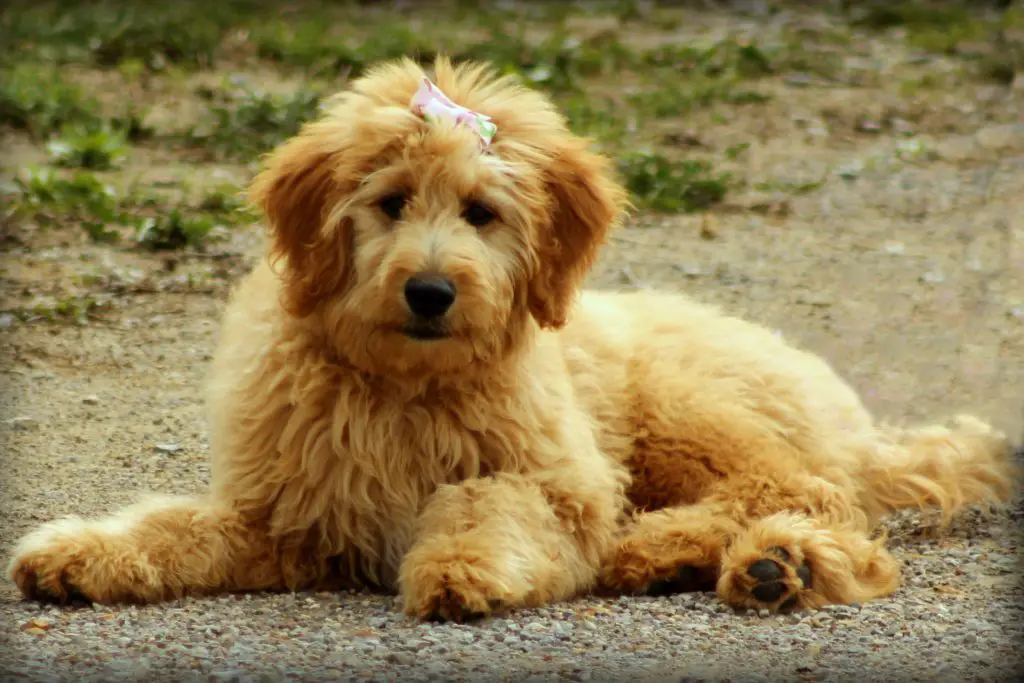
5.1. What Is a Poodle Mix?
A Poodle mix, or “Doodle,” is produced by crossing a purebred Poodle with another distinct breed. The goal is typically to capture the Poodle’s low-shedding coat and high-level intelligence while blending it with the temperament of a Labrador, Golden Retriever, or even a Bernese Mountain Dog.
However, as a researcher, it is my duty to point out that the perfectly hypoallergenic “teddy bear” dog is largely a marketing narrative. While these hybrids can be lower in dander, they do not possess standardized traits. When you cross a Poodle with a shedding breed, the resulting coat is a roll of the genetic dice. During my years of observational research, I have seen plenty of first-generation Doodles that shed nearly as much as their non-Poodle parents.
5.2. Most Popular Poodle Mixes
The “Doodle lottery” is in full swing in 2026, with several hybrids dominating the market. Each brings a different energy level and structural profile to the table:
- Labradoodle: The pioneer of the movement. They are exceptionally friendly and athletic but vary wildly in coat texture.
- Goldendoodle: Often the most social of the bunch, though they are notoriously prone to separation anxiety if not taught independence early.
- Bernedoodle: A thicker, often calmer mix. The Bernese influence tends to mellow out the Poodle’s high-strung energy.
- Cavapoo: A brilliant smaller mix. They are exceptional “velcro dogs” for apartment living.
- Sheepadoodle: Clowns of the canine world, though they can inherit a strong herding instinct that leads to “nipping” at heels.
| Hybrid Name | Non-Poodle Parent | Average Adult Weight | Coat Predictability |
| Labradoodle | Labrador Retriever | 15–65+ lbs | Low (highly variable shedding) |
| Goldendoodle | Golden Retriever | 15–80+ lbs | Low to Moderate |
| Bernedoodle | Bernese Mountain Dog | 20–90 lbs | Moderate (often thick/wavy) |
| Cavapoo | Cavalier King Charles | 9–25 lbs | Moderate (low shedding) |
| Sheepadoodle | Old English Sheepdog | 45–80 lbs | Moderate (requires intense brushing) |
| Cockapoo | Cocker Spaniel | 12–24 lbs | Moderate to High |
Navigating the “Doodle” phenomenon requires more than just a passing glance at the most popular hybrids. If you are looking for a full visual breakdown of the vast array of combinations—from the athletic to the aesthetic—refer to my complete guide to the 55 best Poodle mixes, featuring detailed profiles and pictures for every crossbreed.
6. Poodle Sizes Explained: The Truth About Teacups and Royals
When researching Poodles, you will inevitably run into sizing terminology that sounds incredibly official, but is actually rooted in marketing. This is where terminology becomes highly flexible, and sometimes dangerously misleading.
6.1. Teacup Poodles
The “Teacup” Poodle is the most controversial variation in the breed. Let me be clear: this is not an officially recognized size by any major kennel club. A Teacup is simply a Toy Poodle that has been purposefully bred to be exceptionally, unnaturally small—often weighing under 3 pounds as an adult.
The reality of the Teacup trend is grim. Breeding for extreme miniaturization routinely results in catastrophic health consequences. According to animal welfare organizations like the RSPCA, dogs bred to these micro-extremes frequently suffer from severe hypoglycemia, collapsing tracheas, unsealed fontanelles (soft spots in the skull), liver shunts, and chronic heart defects. They are fragile, highly expensive to insure, and lead medically complicated lives.
6.2. Moyen (or Klein) Poodles
The term “Moyen” translates to “medium” in French, while “Klein” means “small” in German. This is a legitimate sizing category, but primarily in Europe. The international registries recognize the Moyen as a fourth size category, falling perfectly between the Miniature and the Standard (roughly 15-20 inches tall). However, the AKC in the United States does not recognize this size, meaning a true Moyen imported to the US must technically be shown as a small Standard Poodle.
6.3. Royal Poodles
If you see a breeder advertising a “Royal Poodle,” keep your wallet securely closed. There is no such thing. “Royal” is simply a creative marketing label used to describe a Standard Poodle that happens to be bred to be exceptionally large and tall. It is a buzzword used to justify a higher price tag for a dog that is simply at the top end of the Standard weight spectrum.
7. The Cognitive Burden: Living with a High-IQ Dog
Poodles are consistently ranked among the most intelligent dog breeds on the planet, often sitting right behind the Border Collie in clinical canine cognition tests. But what does “intelligent” actually mean in the context of a pet?
7.1. The Double-Edged Sword of Canine Genius
In practice, a high-IQ dog is a double-edged sword. It means they learn tricks and commands with breathtaking speed. It also means they remember patterns, pick up on your subtle physical cues, and quickly learn to manipulate their environment.
As I learned during my time with Angus, observing his uncanny ability to essentially reverse-engineer door handles and open secure latches to reach his treats, highly intelligent dogs are not “easy” dogs—they are highly capable dogs. If you do not provide them with a structured outlet for that brainpower, they will creatively invent their own jobs.
This is why I advocate for a “Negotiation-Based” training approach with this breed. You cannot simply bark commands at a Poodle and expect blind obedience like a German Shepherd; you must convince the Poodle that executing the command is in their own best interest. Without this cognitive structure, Poodle intelligence frequently manifests as destructive chewing, obsessive-compulsive licking, excessive alert barking, and severe anxiety.
7.2. The Independence Protocol
Because they are so smart, Poodles easily map the daily routines of their owners. They know exactly when you leave, when you return, and what shoes mean you are going to the park versus the office. To prevent the breed’s notorious separation anxiety, owners must employ an “Independence Protocol” from week one. This involves enforcing crate time or physical separation even when you are home, teaching the dog that they do not need to be in your physical line of sight to be safe.
8. Preventative Health and Size-Specific Risks
While all Poodles share a massive genetic foundation, their physical size greatly influences the specific health risks and mechanical failures they are prone to experiencing over their lifetime. A responsible breeder will strictly adhere to the health testing protocols outlined by the Orthopedic Foundation for Animals (OFA), ensuring both parents have passing CHIC (Canine Health Information Center) numbers before breeding.
| Poodle Size | Primary Genetic Threats | Minimum OFA Screenings Required |
| Standard | Bloat, Addison’s Disease | Hip Dysplasia, Eye Exam, Cardiac |
| Miniature | PRA (Vision), Patellar Luxation | Patellar Luxation, Eye Exam, PRA Test |
| Toy | Tracheal Collapse, Dental Decay | Patellar Luxation, Eye Exam, PRA Test |
8.1. Standard Poodle Health Risks
Because of their deep chests and heavier frames, Standards face large-breed risks:
- Gastric Torsion (Bloat): As detailed in the MSD Veterinary Manual, this is a sudden, fatal condition where the stomach fills with gas and twists on itself, cutting off blood supply. It requires immediate emergency surgery. Many Standard owners opt for a preventative gastropexy (tacking the stomach to the abdominal wall) during the dog’s spay or neuter surgery.
- Sebaceous Adenitis (SA): An inflammatory disease of the skin’s sebaceous glands that leads to severe hair loss and scaling.
- Addison’s Disease: A severe malfunction of the adrenal glands that results in lethargy, vomiting, and cardiovascular collapse if not managed with daily steroid medication.
8.2. Miniature and Toy Health Risks
Miniatures face issues more common to mid-sized, active frames, including Progressive Retinal Atrophy (PRA), which destroys the photoreceptors in the eyes, eventually leading to total blindness. They are also prone to Patellar Luxation (a mechanical issue where the kneecap slips out of its groove).
Toy Poodles face issues tied directly to their miniaturized anatomy. Beyond severe dental overcrowding and collapsing tracheas, they are highly prone to Legg-Calvé-Perthes disease, a spontaneous degeneration of the head of the femur bone in the hind leg, which often requires surgical removal of the bone head.
9. The Grooming & Financial Reality of Ownership

There is a fundamental law of thermodynamics when it comes to Poodles: Less shedding equals more grooming. You are trading the annoyance of vacuuming dog hair off your rug for the labor of maintaining a continuously growing coat.
Less shedding equals more grooming. Professional maintenance is non-negotiable every six to eight weeks.
| Grooming Task | Required Frequency | DIY or Professional? | Estimated Annual Cost |
| Line Brushing | Daily / Every Other Day | DIY (Owner Responsibility) | $0 (Time intensive) |
| Sanitary Trims | Every 3–4 Weeks | DIY or Professional | $150–$300 |
| Full Body Clip | Every 6–8 Weeks | Professional | $600–$1,200+ |
9.1. The Mechanics of the Coat and “Blowing” It
A Poodle coat requires intense, relentless maintenance. Daily “line brushing” is essential. This is a technique where you use a high-quality slicker brush to part the hair down to the skin and brush outward, followed by a metal greyhound comb to check your work, ensuring you are pulling tangles from the base rather than just skimming the top layer of fluff.
Every Poodle owner faces a crisis around the 9 to 14-month mark known as “blowing the coat.” This is when the soft puppy hair transitions to the harsh, dense adult curls. During this multi-month phase, the dog will mat almost instantly as the two hair textures tangle together.
If you neglect this brushing, the tight curls will wrap around themselves, creating solid sheets of matted hair close to the skin. This “felting” is incredibly painful for the dog. Furthermore, according to the ASPCA, severe matting can cut off blood supply to extremities, restrict joint movement, and hide dangerous skin infections.
9.2. Progressive Graying
Poodles come in a staggering array of colors, governed by complex genetics. One fascinating genetic quirk of the breed is the “fading” or “clearing” process. Governed by a specific metabolic mutation in the KIT gene, many Poodles are born pitch black or dark brown, but slowly clear to a bright silver or cafe-au-lait by their second birthday.
9.3. The Lifetime Cost
Owning a Poodle is a massive long-term financial commitment. The initial cost of a purebred puppy from an ethical breeder will run between $1,500 and $3,500. However, the true cost lies in the maintenance. When you factor in the non-negotiable expense of a professional groomer every six weeks (ranging from $80 to $150 per session depending on size), the lifetime cost of a well-maintained Poodle easily pushes into the tens of thousands of dollars above a standard short-haired breed.
10. Selection Matrix: Which Poodle Fits Your Life?
Here is where biological theory meets the reality of your daily life. Choosing the right Poodle requires profound honesty about your lifestyle, your physical abilities, and your patience.
Highly Active Families: The Standard Poodle or the Goldendoodle. They have the mass, the skeletal structure, and the lung capacity to keep up with hiking, swimming, and chaotic family yards without getting trampled.
Apartments & Urban Living: The Miniature Poodle, Toy Poodle, or Cavapoo. They offer all the intelligence of the breed in a footprint that doesn’t require a quarter-acre of grass to stay sane.
Severe Allergy Sufferers: A purebred Poodle. If you have severe dander allergies, do not play the genetic lottery with a Doodle. You need the predictable, single-layer coat of the purebred.
Seniors or Less Mobile Owners: The Toy Poodle or an older, rescued Miniature. Standards are simply too strong and require too much rigorous daily exercise for individuals with limited mobility.
11. FAQ Section
What is the calmest Poodle type? Standard Poodles are generally the calmest and most stoic as mature adults, provided their high daily exercise requirements are met. The smaller varieties tend to operate at a slightly higher, more alert frequency and are quicker to react to stimuli.
Which Poodle type is the healthiest? Overall health varies much more by the ethical quality of the breeder than the size of the dog. However, well-bred Standard and Miniature Poodles generally avoid the severe structural, neurological, and dental fragility issues that plague Toy and unregulated “Teacup” sizes.
Are Poodle mixes really hypoallergenic? No, this is not a guarantee. Because a hybrid involves crossing a non-shedding breed with a shedding breed, the resulting coat is unpredictable. A purebred Poodle is the only way to guarantee a truly low-dander, low-shedding coat.
What is the absolute smallest Poodle type? The Toy Poodle is the smallest officially recognized type, weighing between 4 and 6 pounds. Anything marketed as smaller (like a Teacup) is an unethical breeding practice lacking official registry recognition.
Do Poodles bark a lot? Miniature and Toy Poodles are excellent alert barkers; they will verbally announce if a leaf blows across the driveway. Standards have a much deeper, booming bark and typically only use it when they feel a genuine perimeter threat.
Do Poodles get along with other dogs and cats? Yes, generally speaking, Poodles are highly social. Because they were bred to retrieve alongside other dogs and hunters, they do not naturally possess the intense dog-aggression seen in some terrier or guard breeds. However, their high prey drive means they may chase running cats if not socialized early.
12. Conclusion: The Genius Partner
Poodles occupy a remarkably rare position in the modern dog world: they are simultaneously highly specialized athletes and broadly adaptable family companions. Whether you choose to welcome an ancient, purebred Standard into your home or navigate the modern, unpredictable waters of the Doodle craze, you are inviting a level of intelligence, trainability, and companionship that very few other canine breeds can match.
The primary challenge is not finding a “good” Poodle. The challenge is choosing the specific version of this brilliant animal that actually aligns with your real, everyday life, and acknowledging the time and financial commitments required to keep their coats and minds healthy. Because once you find that match and put in the work, you will quickly understand why this elegant, fiercely clever breed has endured as a cultural icon for centuries.
And if you choose poorly—if you buy a high-drive Standard for a lazy apartment life, or a fragile Toy for a chaotic house full of toddlers—take comfort in this one inescapable fact: your Poodle will still be brilliant. It will simply use that brilliance in ways you hadn’t planned.
Medical & Veterinary Disclaimer: PoodleReport.com is an informational resource for Poodle owners and enthusiasts. We are not veterinarians. The content on this website is not a substitute for professional veterinary care, diagnosis, or treatment. Always seek the advice of your veterinarian with any questions you may have regarding your pet’s medical condition, diet, or overall health.