
Disclaimer: The information provided on PoodleReport.com is for educational purposes only and does not constitute veterinary medical advice; always consult your vet before changing your dog’s diet. Additionally, this post contains affiliate links. As an Amazon Associate, and other affiliate advertising programs, I earn from qualifying purchases at no extra cost to you.
The “Doodle” phenomenon has completely reshaped the modern dog world. Over the last three decades, Poodle mixes have gone from niche crossbreeds to the most sought-after family dogs on the planet. Families are drawn to their teddy-bear appearances, their affectionate temperaments, and the promise of a low-shedding coat.
But there is a widespread misconception that these dogs are just fluffy, easy-going couch potatoes.
My own journey into canine research did not start with a mix; it started with my black Standard Poodle, Angus. Living and working with Angus taught me exactly what it means to manage the brilliant, highly analytical, and sometimes relentless mind of a Poodle. When breeders take that elite cognitive horsepower and mix it with a high-drive working dog—like an Australian Shepherd or a Labrador Retriever—the result is a complex, incredibly intelligent canine that requires far more than just a walk around the block.
If you are considering bringing a Doodle into your home, you are not just getting a “mix.” You are inheriting the physical and mental demands of two distinct, historical working breeds. Let’s break down the science behind these crosses and explore the 50 best Poodle mixes to help you find the right cognitive and lifestyle match.
Ready to understand the Poodle intelligence within your Doodle?
Whether you own a Goldendoodle or a high-drive Aussiedoodle, your dog has inherited a world-class analytical mind. Visit my Poodle Mix Guides to learn how to confidently manage separation anxiety, conquer reactive barking phases, and apply training methods designed for the unique cognitive realities of Poodle hybrids.
The Core Science: Why Mix a Poodle?
Before diving into the massive list of available crosses, it is critical to understand what is actually happening at a genetic and behavioral level when a Poodle is introduced to another breed.
The Poodle Intelligence Factor
Poodles were originally bred as German water retrievers. They are not lap dogs; they are meticulous problem solvers designed to work closely with human hunters in harsh conditions. Whether you are looking at a Standard, Miniature, or Toy, the Poodle brings a sharp, analytical brain to any crossbreed.
This means a Doodle will inherit a high demand for cognitive enrichment. When you mix a Poodle with another intelligent working breed—like a Border Collie or a Golden Retriever—you create a dog that needs a “job.” Scent work, puzzle feeding, and advanced obedience training are required to prevent the behavioral issues that stem from a bored, highly intelligent dog.
Hybrid Vigor (Heterosis) vs. Genetic Overlap
One of the main selling points of any Poodle mix is “hybrid vigor.” The scientific theory of heterosis dictates that outcrossing two completely different gene pools reduces the likelihood of passing down recessive genetic diseases.
While this outcrossing provides a health advantage, it does not guarantee a perfectly healthy dog. Mixing breeds can also expose the puppy to the overlapping genetic risks of both parent lines. For example, both Golden Retrievers and Standard Poodles are highly susceptible to hip dysplasia. An ethically bred Doodle must come from parents who have undergone rigorous, breed-specific health testing (such as OFA joint screenings and DNA panels) to ensure these structural issues are not being passed down.
Coat Genetics and Generations
Predicting a Doodle’s coat is notoriously difficult. If you are looking for a hypoallergenic trait, understanding generational genetics is the only way to gauge what you are actually bringing home.
- F1 (First Generation – 50% Poodle / 50% Other Breed): This is a direct cross between a purebred Poodle and another purebred dog. The coat is highly unpredictable. It may be wavy, wiry, or flat, and shedding can range from light to heavy.
- F1B (First Generation Backcross – 75% Poodle / 25% Other Breed): An F1 Doodle bred back to a purebred Poodle. This generation has a much higher likelihood of producing the tight, curly, low-shedding coat that allergy sufferers require.
- Multigen (F2, F3, etc.): These are Doodles bred to other Doodles. Ethical multigen breeders use advanced DNA coat testing to highly predict shedding levels, furnishings (the facial hair), and coat texture.
| Generation | Genetic Mix | Shedding Level | Coat Predictability |
| F1 | 50% Poodle / 50% Breed X | Variable (Low to High) | Low |
| F1B | 75% Poodle / 25% Breed X | Very Low (Allergy Friendly) | High |
| F2 | F1 Doodle + F1 Doodle | Highly Variable | Very Low |
| Multigen | F2+ + F2+ | Usually Non-Shedding | Very High (with DNA testing) |
The “Big Three” Foundation Mixes
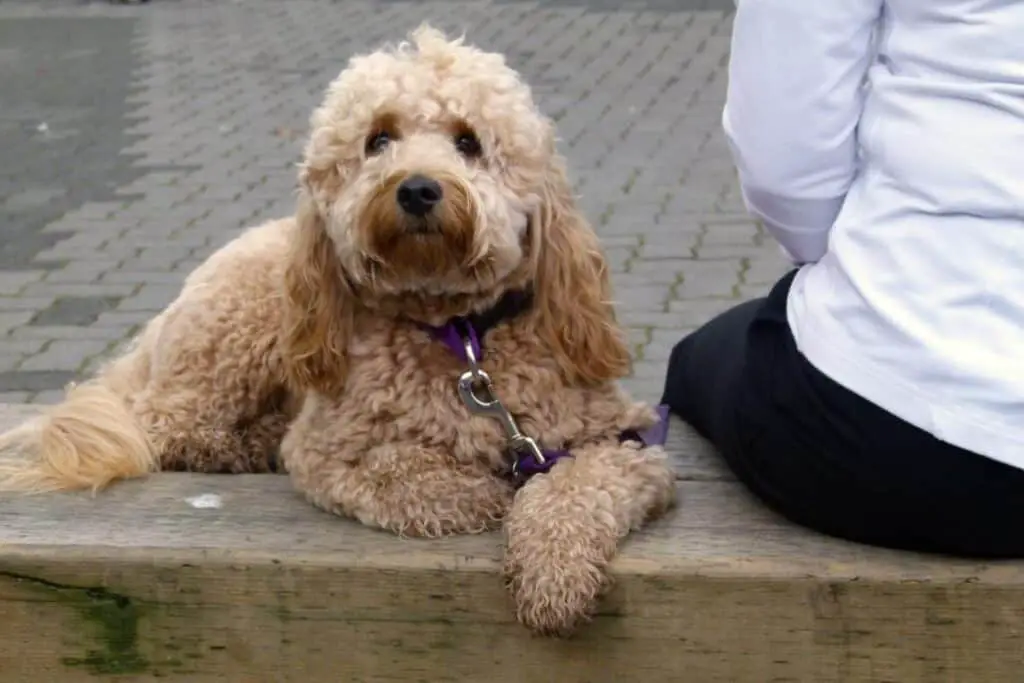
These three crosses are the undisputed titans of the Doodle world. They did not just start the hybrid craze; they defined it. However, their sheer popularity has led to widespread misunderstandings about their energy levels and cognitive needs. Prospective owners often adopt these dogs expecting a low-maintenance, ready-made family pet, severely underestimating the working-dog drive hidden beneath the curls.
Here is the cognitive reality of the “Big Three.”
The Labradoodle (Labrador Retriever + Poodle)
Originally bred in Australia during the 1980s by Wally Conron, the Labradoodle was specifically engineered to be a hypoallergenic guide dog. This means the foundational genetics of this mix are heavily rooted in work.
- Cognitive Profile: You are combining a Labrador (a tireless waterfowl retriever) with a Poodle (a meticulous German water dog). The result is a highly athletic, driven dog that thrives on having a job.
- The Reality Check: Labradoodles are frequently surrendered to shelters by families who thought they were getting a calm house pet. Without daily, rigorous cardiovascular exercise and mental training (like advanced fetch or agility), a bored Labradoodle will quickly turn to destructive chewing and hyperactivity.
The Goldendoodle (Golden Retriever + Poodle)
If the Labradoodle is the athlete, the Goldendoodle is the empathetic socialite. This mix exploded in popularity because it combines the Poodle’s low-shedding coat with the Golden Retriever’s legendary patience and eagerness to please.
- Cognitive Profile: Goldendoodles possess extremely high emotional intelligence. They are incredibly dialed into human emotions, making them phenomenal candidates for therapy and emotional support work.
- The Reality Check: That same intense emotional attachment is a double-edged sword. Goldendoodles are highly prone to managing separation anxiety in highly bonded breeds. They are not dogs that can be left alone in a crate for eight hours a day. Furthermore, their coat—a mix of the Golden’s thick undercoat and the Poodle’s curls—is arguably the most high-maintenance of all the Doodles, requiring daily line-brushing to prevent painful matting.
The Cockapoo (Cocker Spaniel + Poodle)
The Cockapoo is the original Doodle, with a history dating back to the 1960s. Long before the modern designer dog craze, breeders realized that mixing a Miniature Poodle with a Cocker Spaniel created a sturdy, affectionate, and long-lived companion.
- Cognitive Profile: Cocker Spaniels are flushing dogs, meaning they are alert, busy, and naturally inclined to use their noses. When mixed with a Poodle, you get a highly trainable, observant dog that excels at scent games and trick training.
- The Reality Check: Because of their Spaniel heritage, Cockapoos can be quite vocal if they are under-stimulated, alerting you to every squirrel or delivery driver. Additionally, their heavy, floppy ears trap moisture, making them highly susceptible to chronic ear infections. Owners must commit to weekly ear cleaning and maintenance.
Working & Herding Mixes (High Cognitive Demand)
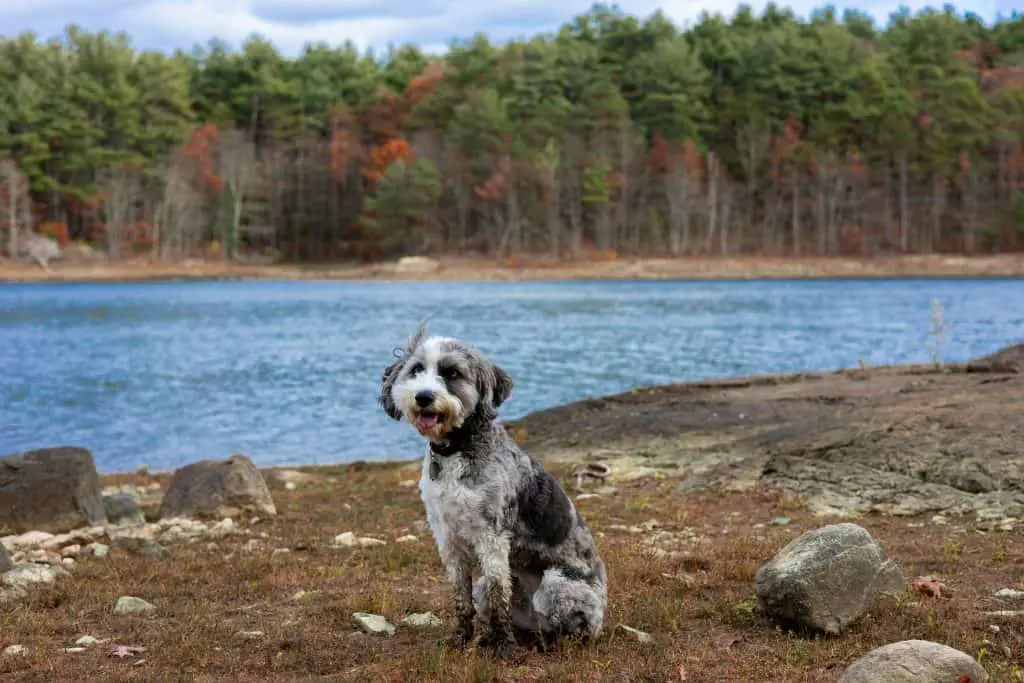
When breeders cross a Poodle with a herding or elite working breed, the result is a dog with an almost unmatched cognitive ceiling. These are not casual family pets; they are canine athletes that require a dedicated “job” to remain balanced.
If you bring one of these mixes into a sedentary home, their pent-up mental energy will quickly manifest as destructive behavior, obsessive barking, or severe anxiety. To successfully manage these high-drive dogs, owners must implement what I call the Metabolic Reset—the practice of using intense cognitive enrichment (like complex scent work or advanced puzzle solving) to chemically fatigue the dog’s brain, rather than just trying to exhaust them physically.
| Breed Group | Physical Exercise (Daily) | Cognitive Enrichment (Daily) | Example “Job” |
| Herding Mixes | 90+ Minutes | 45 Minutes | Advanced Scent Work / Herding Balls |
| Sporting Mixes | 60-90 Minutes | 30 Minutes | Structured Fetch / Water Retrieval |
| Companion Mixes | 30-45 Minutes | 20 Minutes | Interactive Puzzle Toys / Trick Learning |
| Giant Mixes | 45-60 Minutes (Low Impact) | 30 Minutes | Hide & Seek / Slow Feeding |
Here are the top working and herding Doodles and what they require:
The Elite Herders
- 4. The Aussiedoodle (Australian Shepherd + Poodle): Often called the “Einstein of Doodles,” this cross combines the relentless work ethic of an Aussie with the analytical mind of a Poodle. They are prone to “herding” small children by nipping at their heels. They require daily, structured training like agility courses or advanced obedience to thrive.
- 5. The Bordoodle (Border Collie + Poodle): Mixing the two most intelligent dog breeds on the planet creates a dog that learns at a terrifying speed. They will learn your daily routine perfectly—and if you do not provide them with a rigorous job, they will invent one (often something destructive, like dismantling your couch).
- 6. The Sheepadoodle (Old English Sheepdog + Poodle): A larger, slightly more goofy herding mix, the Sheepadoodle is fiercely loyal but physically demanding. They are known for the “Sheepdog bump” (using their bodies to push you in a certain direction) and require extensive socialization early on to prevent territorial behavior.
The Hunting & Specialized Working Mixes
These mixes combine the Poodle’s water-retrieving history with specialized hunting or guarding traits. They require owners who understand prey drive and stamina.
- 7. Irish Doodle (Irish Setter + Poodle): A stunning, red-coated mix with boundless energy. They have a high prey drive and are easily distracted by sights and smells, requiring rock-solid recall training.
- 8. Springerdoodle (English Springer Spaniel + Poodle): A rugged, medium-sized field dog that lives for scent work. They are incredibly eager to please but need vigorous daily exercise to burn off their flushing-dog stamina.
- 9. Weimardoodle (Weimaraner + Poodle): A large, powerful cross with a tendency toward severe separation anxiety. They bond intensely to one person and need a massive amount of cardiovascular exercise.
- 10. Dalmadoodle (Dalmatian + Poodle): Combining a carriage dog with a water retriever yields an athlete with incredible endurance. They can be aloof with strangers and require firm, consistent boundary setting.
- 11. Flandoodle (Bouvier des Flandres + Poodle): A rare, thick-coated, and powerful guarding mix. They have a strong protective instinct and require an experienced handler who understands working-dog psychology.
- 12. Eskipoo (American Eskimo Dog + Poodle): A smaller but highly alert and vocal mix. They are excellent watchdogs but need training to ensure their alerting does not turn into nuisance barking.
Giant & Guardian Mixes (Large Breeds)

There is an undeniable appeal to the “gentle giant” aesthetic—a massive, 90-pound dog that looks like a living teddy bear. However, combining a giant or guardian breed with a Standard Poodle presents unique physiological and behavioral challenges.
The biggest concern with these mixes is orthopedic health. Giant breeds grow at an explosive rate. When you cross them with a Poodle, the resulting puppies require strict nutritional management and exercise limitation (no forced running or repetitive jumping) until their growth plates fully close around 18 to 24 months.
| Mix Size | Avg. Adult Weight | Growth Plate Closure | Caloric Intensity |
| Toy Mix | 5–12 lbs | 9–12 Months | High (Fast Metabolism) |
| Mini Mix | 15–30 lbs | 12 Months | Moderate |
| Standard Mix | 45–70 lbs | 14–18 Months | Moderate |
| Giant Mix | 80–100+ lbs | 18–24 Months | Controlled (To prevent joint issues) |
Furthermore, mixing a Poodle’s alert, analytical nature with a breed designed to guard livestock or property means you must prioritize early, intensive socialization to prevent fear-based reactivity.
Here are the heavyweights of the Doodle world (Mixes 13 through 22):
The Mountain & Working Giants
- 13. Bernedoodle (Bernese Mountain Dog + Poodle): Arguably the most popular giant mix right now. They often inherit the stunning tri-color coat of the Bernese and a goofy, affectionate personality. However, they can be incredibly stubborn during adolescence and require massive grooming investments due to their thick, heavy coats.
- 14. Newfypoo (Newfoundland + Poodle): Two historic water dogs combined into one massive package. They are generally sweet-tempered and fantastic with children, but prospective owners must be prepared for potential drooling and a heavy orthopedic load.
- 15. Pyredoodle (Great Pyrenees + Poodle): The Great Pyrenees is a serious livestock guardian breed. Mixing them with a Poodle creates an independent thinker that is hardwired to bark at perceived threats (often at night). They require secure, high fencing and confident handling.
- 16. Saint Berdoodle (Saint Bernard + Poodle): A massive, affectionate cross that bonds deeply with its family. Because of their deep chests, they are highly susceptible to bloat (gastric dilatation-volvulus), requiring owners to carefully manage their feeding and exercise routines.
- 17. Great Danoodle (Great Dane + Poodle): Often the tallest of the Doodle crosses. While they can be surprising “couch potatoes” inside the house, their rapid growth phase is incredibly delicate. They require high-quality, large-breed-specific nutrition to prevent structural deformities.
The Guardian & Protection Mixes
Mixing a Poodle with a traditional guarding or working breed creates a dog that requires a highly experienced handler. These are not passive pets.
- 18. Mastidoodle (Mastiff + Poodle): A heavy-boned, powerful protector. They are exceptionally loyal but can become a liability if their protective instincts are not channeled through rigorous, early socialization and positive-reinforcement training.
- 19. Boxerdoodle (Boxer + Poodle): Boxers are famously physical, bouncy dogs. Combining that kinetic energy with a Poodle’s intelligence creates a highly athletic, sometimes overwhelmingly exuberant dog that needs a very active household.
- 20. Rottle / Rottie-Poo (Rottweiler + Poodle): A robust mix with strong guarding instincts. They are incredibly smart and eager to work, but they need crystal-clear boundaries and a handler who understands how to manage resource guarding and territorial behaviors.
- 21. Doberdoodle (Doberman Pinscher + Poodle): Both parent breeds are “velcro dogs” that bond intensely to their owners. This makes for a highly trainable, fiercely loyal companion, but one that is exceptionally prone to severe separation anxiety if left alone for long periods.
- 22. Siberpoo / Huskydoodle (Siberian Husky + Poodle): A volatile combination of the Husky’s dramatic vocalizations and wanderlust mixed with the Poodle’s problem-solving brain. These dogs are notorious escape artists; they can figure out how to open doors, unlatch gates, and scale fences.
Companion & Toy Mixes (Small / Apartment Friendly)

When breeders mix Toy or Miniature Poodles with traditional lap dogs, the goal is to create the ultimate apartment-friendly companion. These small crosses are heavily favored by urban dwellers and retirees for their portable size and affectionate nature.
However, scaling down a dog’s size brings two massive realities that owners must be prepared for:
First is dental health. Small dogs have crowded jaws, making periodontal disease in small breed dogs (and small mixes) incredibly common. Daily tooth brushing and routine veterinary cleanings are mandatory to prevent systemic infections that can travel to the heart and kidneys.
Second is separation anxiety. When you take a Poodle (a dog that thrives on human partnership) and cross it with a breed historically designed to sit in a royal’s lap (like a Cavalier or Maltese), you create a “velcro dog.” These mixes bond intensely to their owners and often panic when left alone, making early independence training essential.
Here are the most popular small companion Doodles (Mixes 23 through 34):
The Affectionate “Velcro” Companions
These crosses are bred purely for love and companionship. They have lower prey drives but require almost constant human interaction.
- 23. Maltipoo (Maltese + Poodle): One of the most popular small crosses. They are deeply affectionate and highly intuitive, making excellent emotional support animals. However, they are prone to nuisance barking if not properly trained.
- 24. Cavapoo (Cavalier King Charles Spaniel + Poodle): Incredibly sweet, gentle, and eager to please. The major concern here is health; the Cavalier parent is highly prone to Mitral Valve Disease (a fatal heart condition), meaning extensive cardiac testing on the parent dogs is an absolute must.
- 25. Shih-poo (Shih Tzu + Poodle): A sturdy, lower-energy mix. The Shih Tzu brings a stubborn streak to the Poodle’s intelligence, meaning training requires patience and high-value rewards. They are excellent for less active households.
- 26. Poochon / Bichon Poodle (Bichon Frise + Poodle): A relentlessly cheerful dog. Because both parent breeds have continuously growing, non-shedding coats, the grooming requirements for a Poochon are intense. Daily brushing is mandatory to prevent severe matting.
- 27. Havapoo (Havanese + Poodle): A highly adaptable and outgoing mix. The Havanese is a sturdy little dog that loves learning tricks, making this cross a highly trainable and entertaining companion.
The Alert & Sassy Small Mixes
These dogs combine the Poodle’s intelligence with breeds known for their bold, vocal, or fiery personalities.
- 28. Yorkipoo (Yorkshire Terrier + Poodle): A tiny dog with a massive personality. The Yorkie is a true terrier, bringing a surprising amount of tenacity and prey drive to the mix. They are confident, vocal, and need firm boundary training.
- 29. Pomapoo (Pomeranian + Poodle): A fluffy, highly alert cross. The Pomeranian parent brings a protective, watchdog instinct. Owners must watch out for luxating patellas (slipping kneecaps), a common structural issue in both parent breeds.
- 30. Papipoo (Papillon + Poodle): The Papillon is one of the smartest toy breeds in the world. Mixing it with a Poodle creates a tiny canine Einstein. They excel at mini-agility courses and need mental stimulation just as much as the larger working Doodles.
- 31. Chi-Poo (Chihuahua + Poodle): A fiercely loyal, single-person dog. They can be incredibly nervous or snappy around strangers and small children if not heavily socialized during the critical 8-16 week puppy window.
The Flat-Faced (Brachycephalic) & Quirky Crosses
These rare mixes require owners to monitor their breathing and temperature regulation carefully.
- 32. Peekapoo (Pekingese + Poodle): One of the oldest designer crosses. The Pekingese has a shortened snout, meaning the Peekapoo can struggle with heat exhaustion and breathing issues depending on which parent’s facial structure they inherit.
- 33. Affenpoo (Affenpinscher + Poodle): A comical, monkey-faced cross. They are intensely curious and notoriously stubborn, requiring a handler with a great sense of humor and plenty of patience.
- 34. Griffonese (Brussels Griffon + Poodle): A sensitive, self-important little dog. They thrive on routine and can become easily stressed in chaotic or loud environments, making them better suited for quiet, adult-only homes.
Terrier & Hound Mixes (Prey Drive & Tenacity)

Mixing a Poodle with a terrier or a hound creates a fascinating, but often challenging, psychological profile. Poodles are water retrievers, bred to work in tandem with a human handler. Terriers, on the other hand, are “earth-dogs” bred to independently hunt, dig, and kill vermin. Hounds are fiercely independent trackers driven entirely by scent or sight.
When you combine a Poodle’s analytical intelligence with a terrier’s tenacity or a hound’s prey drive, you get a dog that is incredibly smart but notoriously stubborn. These crosses require owners who are prepared for intense recall training, digging management, and managing the urge to chase small animals.
Here are the tenacious terrier and hound crosses (Mixes 35 through 50):
The Earth-Dog Terriers (High Prey Drive)
These mixes inherit a strong instinct to dig, chase, and alert-bark. They are sturdy, fearless, and require firm, consistent boundaries.
- 35. Schnoodle (Schnauzer + Poodle): Available in miniature, standard, and giant sizes. The Schnauzer brings a strong protective instinct and a wiry coat. They are incredibly loyal but can be suspicious of strangers, requiring heavy early socialization.
- 36. Whoodle (Soft Coated Wheaten Terrier + Poodle): A medium-sized, highly energetic mix. They are incredibly playful and retain a puppy-like demeanor well into adulthood, but their deeply rooted prey drive means a fenced yard is mandatory.
- 37. Westiepoo (West Highland White Terrier + Poodle): A sturdy, confident small dog. They are highly alert and will absolutely chase squirrels, rabbits, or the neighbor’s cat if given the chance.
- 38. Jackapoo (Jack Russell Terrier + Poodle): A tiny package of explosive energy. The Jack Russell is a relentless worker. This mix needs an immense amount of physical and mental exercise to prevent destructive digging and excessive barking.
- 44. Cairnoodle (Cairn Terrier + Poodle): Scrappy and independent, this mix is highly intelligent but often operates on its own agenda. They respond best to short, highly engaging training sessions.
- 45. Scoodle (Scottish Terrier + Poodle): A dignified but sometimes aloof cross. They bond deeply with their family but have a strong independent streak and a loud, demanding bark when they want attention.
- 46. Woodle (Welsh Terrier + Poodle): Energetic and curious. The Welsh Terrier brings a lot of fire and stamina, making this a great active companion for hikers.
- 47. Wire-Poo (Wire Fox Terrier + Poodle): Highly athletic and intensely driven. They excel at earth-dog trials and agility but will quickly become destructive if left bored in an apartment.
- 48. Terri-Poo (Australian Terrier + Poodle): A rugged, adaptable little dog that loves to dig. Providing a designated sandbox in the yard can help channel this instinct positively.
The Hounds & Chasers (Scent & Sight Driven)
Mixing a Poodle with a hound creates a dog that will easily “turn a deaf ear” to commands if they catch an interesting scent or spot a moving target.
- 39. Doxiepoo (Dachshund + Poodle): A comical but complex mix. Because of the Dachshund’s elongated spine, owners must strictly prevent these dogs from jumping off furniture to avoid severe back injuries (IVDD).
- 40. Bassetoodle (Basset Hound + Poodle): A low-rider with a spectacular nose. They are notoriously stubborn and highly food-motivated, meaning training requires patience and high-value treats.
- 49. Pootalian (Italian Greyhound + Poodle): A delicate, lightning-fast sight hound mix. They have incredibly fragile bones as puppies and are prone to severe dental disease, but they make affectionate, quiet indoor companions.
- 50. Beaglier / Beagledoodle (Beagle + Poodle): A supremely vocal and scent-driven dog. The Beagle parent means this dog will follow its nose anywhere, making off-leash walking highly risky without years of dedicated recall training.
The Sturdy & Unique Mixes
These final crosses bring distinct physical traits and quirky personalities to the Doodle lineup.
- 41. Corgipoo (Corgi + Poodle): A highly intelligent, short-legged herder. The Corgi brings a bossy, vocal personality and a tendency to nip at heels. Like the Doxiepoo, their long backs require careful joint management.
- 42. Pugapoo (Pug + Poodle): A charming, comedic companion. The Pug parent’s brachycephalic (flat-faced) structure means owners must monitor them closely in hot weather to prevent heatstroke.
- 43. Bossi-Poo (Boston Terrier + Poodle): A tuxedo-wearing athlete. They are highly trainable and eager to please, but their short snouts and sensitive digestive systems require a carefully managed diet.
The Truth About “Hypoallergenic” Doodles & Grooming
The single biggest selling point for any Poodle crossbreed is the promise of a “hypoallergenic, non-shedding” coat. This is also the area where breeders are the most misleading, and where new owners face the harshest reality check.
Let’s look at the actual science of canine allergies and the intense grooming requirements of a mixed-breed coat.
The Hypoallergenic Myth
There is no such thing as a 100% hypoallergenic dog. Humans who are allergic to dogs are typically reacting to a specific protein (Can f 1) found in the dog’s saliva, urine, and dander (dead skin cells)—not the hair itself.
While a tight, curly Poodle coat does an excellent job of trapping dander rather than dropping it all over your furniture, it does not eliminate the allergen. Furthermore, when you cross a Poodle with a heavy-shedding breed (like a Golden Retriever or a Husky), the genetics are entirely unpredictable in the first generation (F1). You may end up with a Doodle that sheds just as heavily as its non-Poodle parent.
If you have severe allergies, a multi-generational Doodle (like an F1B or F2) bred specifically for a tight, curly coat is your safest bet—but spending time with the specific puppy before committing is the only real test.
The Reality of the “Doodle Coat”
Poodles have a single coat of hair that grows continuously, much like human hair. Most of the breeds they are crossed with (like Labs, Aussies, or Bernese Mountain Dogs) have a double coat consisting of a harsh outer guard hair and a soft, shedding undercoat.
When you mix these two entirely different coat types, you get a hybrid fleece or wool coat that is incredibly prone to severe matting. The shedding undercoat gets trapped inside the continuously growing Poodle curls, acting like velcro.
The Grooming Commitment
To prevent painful mats that pull at the dog’s skin, Doodle owners must commit to two non-negotiable grooming routines:
- Daily Line Brushing: You cannot just run a brush over the top of a Doodle’s coat. You must use a technique called “line brushing,” using a high-quality slicker brush and a metal greyhound comb to part the hair and brush out the undercoat from the skin up. This takes time and dedication.
- Professional Grooming: A Doodle must see a professional groomer every 6 to 8 weeks for a bath, blowout, and haircut. This is not optional, and it represents a significant financial commitment over the 12 to 15-year lifespan of the dog. If you neglect the daily brushing, the groomer will have no choice but to shave the dog down to the skin to remove the pelting.
The Comprehensive Doodle Grooming & Maintenance Schedule
This expanded schedule breaks down the specific tasks required to manage a hybrid Poodle coat. Because these coats combine a shedding undercoat with continuously growing hair, following a strict timeline is the only way to prevent painful matting and skin infections.
| Frequency | Task | Purpose | Estimated Time |
| Daily | Line Brushing | Uses a slicker brush and metal comb to reach the skin and remove trapped undercoat. | 15–30 Minutes |
| Daily | Face & Beard Wipe | Removes food debris and moisture to prevent staining and bacterial growth. | 2 Minutes |
| Weekly | Ear Cleaning | Uses a veterinarian-approved solution to clear wax and moisture from deep ear canals. | 5 Minutes |
| Weekly | Sanitary Check | Clearing hair away from the eyes and “private” areas to maintain hygiene between grooms. | 10 Minutes |
| Monthly | Nail Trimming | Keeping nails short to prevent splaying of the paws and skeletal misalignment. | 10 Minutes |
| Monthly | Paw Pad Tidy | Trimming the hair between the pads to improve traction and reduce tracked-in debris. | 10 Minutes |
| Every 6–8 Weeks | Full Professional Groom | Includes a deep-cleansing bath, high-velocity blowout, and full-body haircut. | 3–4 Hours |
| Every 6–8 Weeks | Anal Gland Check | Ensuring the glands are expressing naturally; smaller mixes may require manual assistance. | During Groom |
Health Screenings & Ethical Doodle Breeding

The popularity of Poodle mixes has unfortunately created a massive market for unethical breeding. Because Doodles are technically “crossbreeds” and not recognized by the American Kennel Club (AKC) for conformation, some breeders use this as an excuse to skip the rigorous health testing required for purebreds.
To protect your future companion and your finances, you must look past the “cute puppy” photos and demand scientific proof of health. Following established veterinary guidelines for selecting a healthy pet is the best way to ensure you are supporting an ethical operation rather than a high-volume mill.
The Puppy Mill Red Flags
The demand for Poodle mixes has led to an explosion of puppy mills and “backyard breeders” who prioritize profit over animal welfare. Be wary of any breeder who:
- Always has puppies available or has multiple litters at once.
- Refuses to let you see the mother or the environment where the puppies are raised.
- Sells puppies in pet stores or through third-party brokers.
- Offers “rare” colors or sizes at an extreme premium without health clearances.
Required Health Clearances
An ethical Doodle breeder treats their crossbreeds with the same medical scrutiny as a top-tier purebred breeder. Before you put down a deposit, you should ask for proof of the following for both parent dogs:
- OFA Hip and Elbow Evaluations: Essential for all medium to giant Poodle mixes (like Goldendoodles and Bernedoodles) to screen for dysplasia.
- OFA Eye Certification (CAER): To check for Progressive Retinal Atrophy (PRA) and other heritable eye diseases common in Poodles and many Sporting breeds.
- DNA Panels: Tests for breed-specific genetic markers, such as Von Willebrand’s Disease (a blood clotting disorder) or Degenerative Myelopathy.
- Cardiac Evaluations: Particularly critical for Cavapoos and giant breeds to screen for heart murmurs or Mitral Valve Disease.
The Commitment of an Ethical Breeder
A high-quality breeder will interview you just as much as you interview them. They should offer a written health guarantee, provide a lifetime of support, and have a “take-back” policy—meaning they commit to rehoming the dog at any point in its life if you can no longer care for it. This ensures their puppies never end up in the shelter system.
Choosing a breeder who invests in these screenings is the only way to ensure your Poodle mix has the best possible start at a long, healthy, and pain-free life.re your Poodle mix has the best possible start at a long, healthy, and pain-free life.
Frequently Asked Questions (FAQ)
This section addresses the most common concerns and “People Also Ask” queries regarding Poodle mixes to help you make an informed decision for your household.
Are Poodle mixes really 100% hypoallergenic?
No dog is truly 100% hypoallergenic. Allergies are typically triggered by proteins in a dog’s dander, saliva, and urine. While Poodle mixes with curly coats (like F1B generations) trap dander and shed significantly less than other breeds, they still produce allergens. If you have severe allergies, it is essential to spend time with the specific puppy or look for a multi-generational cross bred specifically for coat predictability.
Do all Poodle mixes need professional grooming?
Yes. Because Doodles possess a hybrid coat—a mix of the Poodle’s continuously growing hair and the other breed’s shedding undercoat—they are highly prone to severe matting. Owners must commit to “line-brushing” at home several times a week and professional grooming appointments every 6 to 8 weeks to maintain skin health and prevent painful pelting.
What is the calmest Poodle mix?
Generally, Poodle mixes bred with low-energy companion breeds, such as the Cavapoo (Cavalier King Charles Spaniel) or the Shih-poo (Shih Tzu), tend to be the calmest. However, remember that any dog with Poodle DNA will still require daily mental stimulation. A “calm” dog that is bored can still become destructive.
Are Doodle dogs good for first-time owners?
It depends entirely on the specific cross. Smaller companion mixes like the Maltipoo are often excellent for beginners. However, high-drive working crosses like the Aussiedoodle or Bordoodle are generally not recommended for first-time owners due to their intense need for behavioral management, specialized training, and the Metabolic Reset framework to manage their intelligence.
Are mixed breeds healthier than purebred Poodles?
Not necessarily. While “hybrid vigor” can reduce the risk of certain recessive diseases, a mix can still inherit the overlapping health risks of both parent breeds. For example, if both a Labrador and a Poodle parent have poor hip genetics, the puppies are at high risk for hip dysplasia. This is why buying from a breeder who performs OFA and DNA health screenings is non-negotiable.
Conclusion & Next Steps
Choosing to bring a Poodle mix into your life is a commitment to embracing the “best of both worlds,” but it requires an owner who is willing to put in the work. Whether you are drawn to the athletic drive of a Labradoodle or the gentle companionship of a Maltipoo, you are bringing home a dog with a Poodle’s world-class intelligence.
As I learned with Angus, owning a dog this smart is a partnership. It requires you to be as engaged with their mind as you are with their physical needs. When you provide the right cognitive outlets and maintain their high-maintenance coats, a Doodle is more than just a pet—they are a brilliant, intuitive, and irreplaceable member of the family.
Ready to Find Your Perfect Match?
This guide is just the beginning of your journey. To help you make the best decision for your lifestyle, we have created deep-dive guides for the most popular mixes. Each article explores specific health concerns, training tips, and grooming requirements in detail: