
Disclaimer: The information provided on PoodleReport.com is for educational purposes only and does not constitute veterinary medical advice; always consult your vet before changing your dog’s diet. Additionally, this post contains affiliate links. As an Amazon Associate, and other affiliate advertising programs, I earn from qualifying purchases at no extra cost to you.
While a dropped french fry will summon a dog from three rooms away, you might be surprised to find that a simple, snapping green bean can elicit the exact same eager response. However, a quick glance at the top pet blogs reveals a frustratingly generic approach to feeding dogs vegetables. They tell you green beans are safe, but they completely fail to account for the unique anatomical differences between a five-pound Toy Poodle and a deep-chested Standard.
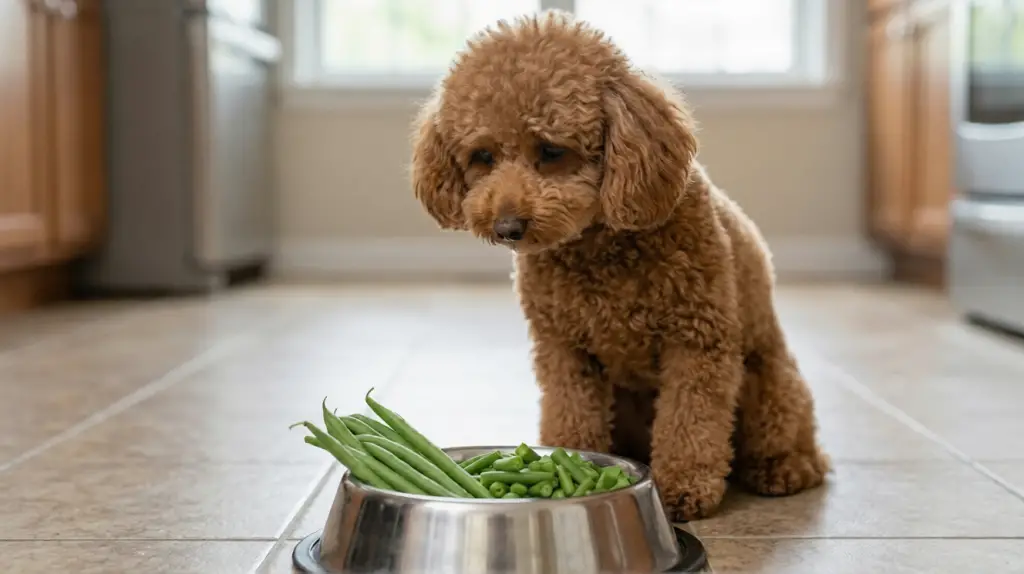
Yes, poodles can safely eat plain green beans as a low-calorie, vitamin-rich alternative to traditional commercial dog treats. Whether served steamed, raw, or frozen, it is crucial to chop them into bite-sized pieces to prevent a severe choking hazard, particularly for smaller Toy or Miniature varieties. Incorporating these fibrous legumes into a poodle’s diet provides excellent prebiotic support for their sensitive digestive systems while helping to manage their overall weight without sacrificing the satisfying crunch they crave.
Diving into canine biochemistry reveals a vast difference between simply tossing raw vegetables into a bowl and strategically preparing them for optimal digestion. Because poodles span such a dramatic size range, your prep method dictates both safety and nutrient absorption. When I transitioned my Standard Poodle, Angus, from calorie-dense treats, I quickly learned that their sensitive stomachs do not appreciate sudden influxes of raw roughage—but understanding this science easily turns the simple green bean into a highly digestible nutritional tool.
The Nutritional Profile and Prebiotic Power
From a researcher’s perspective, green beans are a metabolic goldmine for dogs. They provide a satisfying, mentally stimulating crunch without adding unnecessary fats to your dog’s daily intake.
According to 2026 data from the USDA FoodData Central, a cup of plain, raw green beans contains roughly 31 calories. Beyond the low-calorie count, they offer specific benefits:
- Vitamin C & A: Essential antioxidants that support a robust immune system and maintain eye health in aging dogs.
- Vitamin K: Crucial for proper blood clotting and bone metabolism.
- Prebiotic Fiber: This is where green beans truly shine. The soluble and insoluble fiber acts as a prebiotic, feeding the beneficial bacteria in your poodle’s hindgut. The American Kennel Club (AKC) notes that appropriate fiber intake is critical for maintaining bowel regularity and creating a feeling of satiety in food-motivated dogs.
The Hidden Science: Lectins and Phytic Acid
Most generic advice claims raw green beans are perfectly fine, but a deeper look into plant biology tells a slightly different story. Legumes, including green beans, contain “anti-nutrients” designed to protect the plant in the wild.
- Lectins: Raw green beans contain low levels of lectins, a type of protein that binds to cell membranes. While not as dangerous as the toxic levels found in raw kidney beans, the lectins in raw green beans can cause gastrointestinal distress, vomiting, and diarrhea in poodles with sensitive stomachs.
- Phytic Acid: This compound can bind to essential minerals like calcium, iron, and zinc in the digestive tract, preventing your dog’s body from absorbing them.
The solution? Heat. Cooking or steaming the beans breaks down the lectins and neutralizes the phytic acid, making the nutrients highly bioavailable. For an in-depth look at how these compounds interact with mammalian digestion, biochemical literature from organizations like the Weston A. Price Foundation outlines the importance of proper legume preparation.
Poodle-Specific Risks: Strings, Choking, and Bloat

Poodles have specific anatomical quirks that require you to alter how you serve this vegetable. For a broader look at how canine anatomy dictates dietary choices, you can explore our full directory of poodle food and nutrition guides.
- The Toy and Miniature Choking Hazard: A whole, frozen green bean is a severe choking hazard for a small poodle. Furthermore, the fibrous “string” that runs along the seam of mature green beans is entirely indigestible. You must snap off the ends, remove the string, and chop the bean into quarter-inch pieces before serving it to a smaller dog.
- The Standard Poodle Bloat Risk: Standard Poodles have deep, narrow chests, making them highly susceptible to Gastric Dilatation-Volvulus (bloat). Sudden influxes of highly fibrous, gas-producing foods can upset the GI tract. Clinical insights from VCA Animal Hospitals stress that managing a deep-chested dog’s diet requires strict portion control. Always introduce fiber slowly.
Preparation Methods Ranked
Not all green beans are created equal when it comes to canine safety.
- Steamed (Best): Lightly steaming plain green beans softens the cellular walls, destroys lectins, and makes the vegetable incredibly easy for older poodles with dental issues to chew.
- Raw (Good, in moderation): Fine for a quick crunch, provided you wash off any agricultural pesticides and chop them up.
- Frozen (Situational): Excellent for teething puppies who need cold pressure on their gums. However, thaw them slightly for Toy Poodles so they do not fracture a tooth.
- Canned (Use Caution): Only buy strictly “no salt added” varieties. Regular canned vegetables contain massive amounts of sodium, which can lead to dehydration. Always rinse them thoroughly.
- The Danger Zone: Never feed your poodle green beans cooked with butter, oils, garlic, or onions. The ASPCA Animal Poison Control Center warns that any plants in the Allium family (onions, garlic) are highly toxic and cause the breakdown of red blood cells in dogs.
Common Mistakes Owners Make
Even with the best intentions, it is easy to make a dietary misstep when trying to feed your dog healthier treats.
- The String Oversight: Forgetting to snap the fibrous string off fresh beans, leading to potential intestinal blockages in smaller poodles.
- The “Plain” Misunderstanding: Accidentally buying canned beans seasoned with onion or garlic powder instead of strictly plain, water-packed beans.
- The Tooth Hazard: Handing a rock-hard, frozen green bean to a Toy Poodle or a senior dog is dangerous. While some animals, like rabbits, possess open-rooted teeth designed to effortlessly grind down tough roots and bark, dogs do not have dentition built for that kind of intense mechanical wear. Consequently, a solid frozen vegetable can easily cause a painful dental fracture in a poodle.
When to Worry: Signs of a “Bean Overload”
Because dogs can be stoic when their stomach is upset, you need to watch for the subtle signs that you’ve overdone the fiber. According to the Merck Veterinary Manual, dietary indiscretion is a leading cause of clinic visits.
- Fiber Overload: Spotting unformed stools, sudden diarrhea, or an unusual urgency to go outside.
- Bloat Warnings: Specific symptoms to watch for in Standard Poodles include pacing, unproductive retching, a tight/distended abdomen, and heavy panting resulting from sudden gas buildup.
- Lectin Reactions: Mild vomiting or lethargy indicating the poodle’s stomach is struggling to process the raw legumes.
The “Green Bean Diet”: Fact vs. Fiction

If your poodle is carrying a few extra pounds, you may have heard of the “Green Bean Diet”—a popular internet trend where owners replace 10% to 50% of a dog’s daily kibble with green beans to promote rapid weight loss.
Many veterinary professionals strongly advise against extreme versions of this diet. Replacing that much complete nutrition with vegetables quickly leads to severe deficiencies, particularly in the essential amino acids required to maintain a poodle’s musculature and signature coat. You can read more about balancing macronutrients safely in my the best food for poodles 2026 nutrition guide.
Instead of replacing meals, use green beans strictly as a low-calorie substitute for treats. Experts at the Tufts Cummings School of Veterinary Medicine remind owners of the golden rule: all treats and supplemental foods should never make up more than 10% of a dog’s total daily caloric intake.
FAQ Section
Can poodles eat green beans every day? Yes, as long as they are plain, properly prepared, and factored into the 10% daily treat limit, your poodle can enjoy them regularly.
Will green beans give my poodle diarrhea? They can if introduced too quickly or if fed raw in large amounts. The sudden increase in dietary fiber and natural lectins can cause temporary gastrointestinal upset. Start with just one or two small pieces.
Are string beans and snap beans the same as green beans? Yes. String beans, snap beans, and green beans are all the exact same plant (Phaseolus vulgaris) and are equally safe for your poodle to eat.
Can I give my dog canned green beans? Only if the label explicitly says “No Salt Added.” You should still rinse them under cold water before serving to remove any residual canning preservatives. Regular canned beans have dangerous levels of sodium for dogs.
Conclusion: The Verdict on the Bean
When it comes to treating your dog, green beans are a definitive win for canine health—provided you respect the biology behind the vegetable. By avoiding the sodium-soaked canned varieties, skipping the dangerous butter and garlic seasonings, and opting for a light steam to neutralize plant lectins, you transform a simple garden crop into a highly digestible powerhouse of prebiotic fiber and essential vitamins.
Just remember that even the most nutritious snacks have their limits. Keeping green beans strictly within the 10% treat rule ensures your poodle gets the metabolic benefits without unbalancing their core diet or falling victim to the nutritional pitfalls of the extreme “Green Bean Diet.” In our house, sneaking a properly prepped, bite-sized green bean has proven to be a much smarter, low-calorie alternative to standard dog biscuits, keeping waistlines trim and notoriously picky palates perfectly satisfied.
Medical & Veterinary Disclaimer: PoodleReport.com is an informational resource for Poodle owners and enthusiasts. We are not veterinarians. The content on this website is not a substitute for professional veterinary care, diagnosis, or treatment. Always seek the advice of your veterinarian with any questions you may have regarding your pet’s medical condition, diet, or overall health.