
Disclaimer: The information provided on PoodleReport.com is for educational purposes only and does not constitute veterinary medical advice; always consult your vet before changing your dog’s diet. Additionally, this post contains affiliate links. As an Amazon Associate, and other affiliate advertising programs, I earn from qualifying purchases at no extra cost to you.
If you have ever chopped fresh vegetables for a salad and felt the intense, burning stare of a curly-haired beggar sitting at your feet, you have probably wondered about tossing them a crunchy snack. Poodles have an uncanny ability to make you feel incredibly guilty for eating alone, but sharing human food with a highly sensitive breed always requires a second thought. So, let’s get straight to the definitive answer regarding this popular root vegetable.
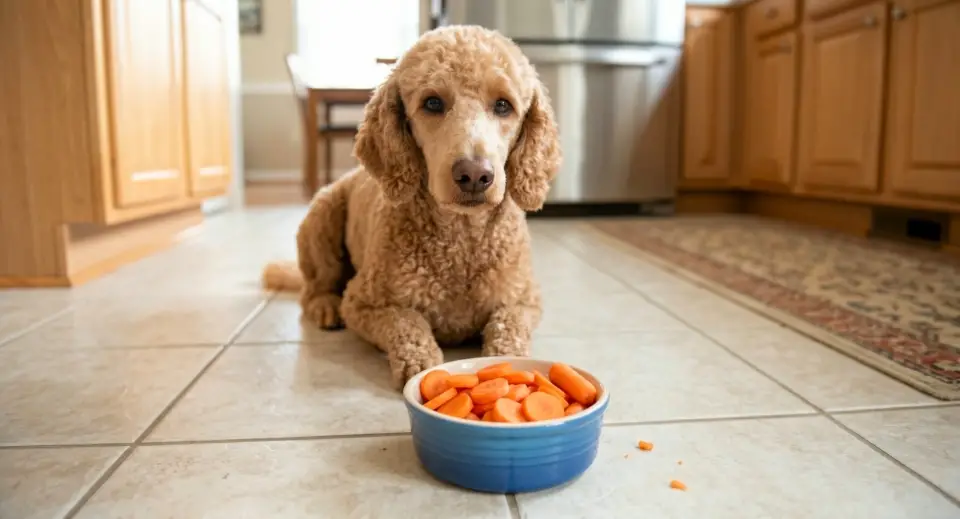
Yes, Poodles can safely eat carrots. Carrots are a fantastic, low-calorie treat packed with essential vitamins, potassium, and dietary fiber. Whether served raw to help clean teeth or cooked to accommodate a sensitive canine digestive tract, carrots make a highly nutritious addition to your Poodle’s diet, provided they are properly cut to eliminate choking risks.
Treating a high-IQ dog isn’t just about counting daily calories; it requires understanding their specific biology and eating habits. When evaluating safe dog treats while raising a Standard Poodle, I quickly learned that a brilliant dog can still be a notoriously lazy chewer. Handing over a whole baby carrot usually meant it was gone in a single gulp, completely bypassing the teeth.
To keep your dog safe and maximize the actual nutritional benefits, you have to look past generic pet advice and understand exactly how a Poodle’s unique digestive system handles this dense orange root. To explore more about optimizing your dog’s daily bowl, you can browse our extensive library of Poodle Food & Nutrition resources.
The Nutritional Power of Carrots for Dogs
Carrots are practically a superfood for dogs, offering a dense nutritional profile without the negative side effects of high-fat, heavily processed commercial treats. They are incredibly low in calories, making them a much smarter, waistline-friendly reward for daily training sessions. While healthy veggies make great dietary supplements, building a balanced primary diet is always the foundational step—a topic we cover thoroughly in The Best Food for Poodles Guide.
Why Beta-Carotene Matters
The most significant health benefit of carrots for Poodles comes from beta-carotene, a provitamin that a dog’s body actively converts into Vitamin A. This essential canine vitamin is crucial for maintaining excellent vision, supporting healthy bone growth, and promoting a robust immune system. Additionally, the high soluble fiber content in carrots helps keep your Poodle’s bowel movements regular and their gut flora perfectly balanced. For a comprehensive look at how these specific vitamins support canine biology and cellular health, the American Kennel Club (AKC) offers excellent, science-backed guidelines on essential micronutrients for pets.
Core Nutrients in Carrots
| Nutrient | Primary Benefit for Poodles | Dietary Note |
| Beta-Carotene (Vitamin A) | Supports canine vision, immune health, and coat quality. | Fat-soluble; best absorbed when the vegetable is cooked slightly. |
| Dietary Fiber | Promotes regular, healthy bowel movements and gut health. | Introducing too much too fast can cause temporary canine gas. |
| Potassium | Aids in muscle function, heart health, and nerve signaling. | Excellent for highly active, athletic Standard and Miniature Poodles. |
| Vitamin K | Crucial for proper blood clotting and bone density. | A great supplemental boost for rapidly growing Poodle puppies. |
Raw vs. Cooked: The Canine Digestion Debate
When answering “are carrots safe for Poodles,” we find a massive gap in typical pet advice: Poodles are historically prone to sensitive stomachs, and a dog’s digestive tract is fundamentally different from a human’s.
The Limits of Canine Digestion
While raw carrots are perfectly non-toxic and safe for dogs to ingest, canines have a much shorter digestive tract and lack the specific digestive enzymes needed to efficiently break down raw plant cellulose. If you feed your Poodle a handful of raw carrot chunks, you might see those exact same chunks in the backyard the next day, entirely undigested.
Why Steaming is the Gold Standard
To ensure your dog actually absorbs the beta-carotene, potassium, and vital vitamins, lightly cooking carrots for dogs is the optimal dietary approach. Steaming is highly recommended over boiling, as boiling can leach the water-soluble vitamins out into the cooking water. The gentle heat of steaming breaks down the tough cellular walls of the vegetable.
Veterinary nutritional experts at PetMD consistently highlight that lightly cooking safe vegetables makes the nutrients highly bioavailable, ensuring your pup gets the actual internal health benefits rather than just a crunchy, temporary distraction.
Size Matters: Toy, Miniature, and Standard Preparation

A carrot is not a one-size-fits-all treat, especially in a breed that comes in three distinct size classifications.
Preventing Choking Hazards
The physical structure of a Poodle’s narrow snout and airway means that round, hard objects are incredibly dangerous if swallowed whole. The VCA Animal Hospitals frequently report that indigestible, improperly sized vegetables are a leading cause of esophageal foreign body obstructions in dogs, which often require expensive emergency surgery.
Never feed a dog a whole, uncut baby carrot. Their perfectly cylindrical, slick shape makes them the exact diameter of a small dog’s windpipe. Proper kitchen preparation is your best line of defense against an entirely preventable choking accident.
Safe Carrot Preparation by Poodle Size
| Poodle Variety | Recommended Preparation for Safe Feeding | Choking Risk Level |
| Toy Poodle | Finely grated, shredded, or fully pureed into a soft mash. | High. A standard baby carrot can perfectly block their tiny trachea. |
| Miniature Poodle | Diced into tiny, kibble-sized cubes or safely shredded. | Moderate. Prone to swallowing chunks whole if overly excited. |
| Standard Poodle | Sliced into thin coins or large, unbreakable raw sticks. | Moderate. “Gulping” is common; never feed round baby carrots whole. |
Does Beta-Carotene Change a Poodle’s Coat Color?
A pervasive myth circulating in the dog show world is that feeding a white Poodle too many carrots will turn their pristine coat orange or yellow, or conversely, that it will magically enhance and preserve the fading color of an apricot or red Poodle.
The Genetics of Coat Color
The clinical truth is that canine coat color is dictated entirely by genetics—specifically the fading gene—not by their vegetable diet. While it is true that massive amounts of dietary beta-carotene can cause a slight, temporary orange tint to the skin (a harmless physiological condition called carotenemia), it will not permanently dye your Poodle’s hair follicles.
However, if you notice reddish-brown staining around your white Poodle’s eyes or muzzle, this is usually caused by porphyrins in their natural tears and saliva interacting with the air, not their vegetable intake. For a deeper understanding of what actually affects canine skin, coat health, and pigmentation, checking the dietary balance standards provided by the Merck Veterinary Manual is a great way to separate scientific fact from grooming fiction.
The Teething Trick for Poodle Puppies
If you are currently raising a Poodle puppy, your hands, shoes, and living room furniture are likely suffering the painful consequences of their needle-sharp baby teeth.
Natural Pain Relief for Gums
Frozen carrots for teething puppies are an absolute lifesaver during this highly destructive developmental phase. During the demanding months of raising a hyperactive puppy, handing over a frozen, peeled carrot was often the only thing that saved the wooden baseboards from total canine annihilation.
A large, frozen carrot acts as an all-natural, edible chew toy. The intense cold restricts the blood vessels in their swollen gums, actively numbing the pain and inflammation, while the tough, fibrous texture provides an appropriate, safe outlet for their natural chewing instincts.
For adult dogs, the mechanical action of scraping their teeth against a tough, raw carrot can help gently remove surface plaque. While it does not replace the absolute necessity of daily brushing with a dog-safe enzymatic toothpaste, it is a great supplemental dental practice recommended by veterinary dental specialty groups like the American Veterinary Dental College (AVDC).
What Happens if a Poodle Eats Too Many Carrots?
Because carrots are naturally sweet, many dog owners worry about the vegetable’s sugar content and glycemic index. While they do contain slightly more natural sugar than a green bean or a floret of broccoli, the overall carbohydrate load is still incredibly low. You would have to feed your Poodle an absurd, unreasonable amount to trigger actual fat storage and canine weight gain.
Recognizing Gastrointestinal Distress
Safe vegetables for Poodles should only be used as a supplemental training treat, never exceeding 10% of your dog’s total daily caloric intake. The sudden introduction of dense dietary plant fiber alters the sensitive canine gut microbiome rapidly. If your Poodle manages to raid the grocery bag and eat a whole pound of carrots, you will likely see temporary digestive issues. For a broad understanding of what household plants and human foods pose actual toxic threats requiring immediate medical intervention, always cross-reference with the ASPCA Animal Poison Control Center.
Symptoms of Carrot Overindulgence in Dogs
| Symptom | Underlying Physiological Cause | Action to Take |
| Excessive Gas / Bloating | A sudden spike in dietary fiber fermenting rapidly in the gut. | Monitor closely. Withhold extra food treats for 24 hours until the gas passes. |
| Loose Stools / Diarrhea | The digestive tract moving too quickly due to high water and fiber content. | Ensure they have access to fresh drinking water. Should resolve on its own in 12-24 hours. |
| Orange-Tinted Poop | Undigested beta-carotene pigment passing directly through the digestive system. | Completely harmless. Just a sign to chop the carrots smaller and cook them next time. |
Can Poodles Drink Carrot Juice?
With the meteoric rise of cold-pressed juicing for human health and wellness, many well-meaning dog owners wonder if they can pour a splash of fresh carrot juice over their dog’s dry kibble to add some enticing moisture and flavor.
The Danger of Liquid Sugar
The clinical answer is generally no. The mechanical juicing process strips away almost all of the beneficial dietary plant fiber, leaving behind a highly concentrated dose of liquid sugar. Without the complex fiber matrix to slow down digestion and absorption, carrot juice for dogs causes a rapid spike in canine blood glucose levels.
This puts unnecessary, dangerous strain on the canine pancreas and is particularly hazardous for overweight, senior, or diabetic Poodles. If you want to add healthy moisture to your dog’s food bowl, stick to warm water or a dog-safe bone broth, and leave the whole, fiber-intact vegetable for their actual treats.
How to Introduce Carrots to a Picky Poodle
Poodles are notoriously texture-sensitive and are widely considered one of the more discerning (and sometimes completely stubborn) breeds when it comes to their canine palate. If you hand your dog a raw carrot stick and they spit it out onto the kitchen floor while looking at you like you just insulted their entire lineage, do not give up immediately.
Overcoming Texture Sensitivity
Instead, work creatively with their distinct flavor preferences to turn a boring vegetable into an irresistible homemade dog food topper. Try these simple culinary tricks:
- Grate them finely: Mix shredded carrots directly into their regular wet dog food so the vegetable pieces absorb the savory meat juices.
- Boil in broth: Dice the carrots and boil them in a plain, dog-safe chicken or beef bone broth (ensuring there is absolutely no toxic onion or garlic in the broth ingredients).
- Mash into a puree: Take those broth-soaked carrots and mash them into a savory, meat-flavored paste that is easy for older or picky dogs to lick up.
Treat Economics: Carrots vs. Commercial Dog Biscuits
When evaluating canine nutrition and household budgets, it pays to actively analyze the cost-to-benefit ratio of what we consistently put in our dogs’ bowls. The global pet industry is a massive, highly profitable machine.
Breaking Down the Cost
According to annual spending data from the American Pet Products Association (APPA), dog owners spend an exorbitant amount of money on premium, boutique dog treats. Let’s look objectively at the raw data:
A high-end bag of commercial, limited-ingredient dog treats averages around $1.50 to $2.00 per ounce. These mass-produced treats often use cheap starch fillers to bind the ingredients together and rely on heavy, emotional marketing to justify the premium price tag. Conversely, a standard one-pound bag of whole, organic carrots costs roughly $1.50 at a typical grocery store—amounting to less than $0.10 per ounce. By smartly swapping out heavily processed commercial biscuits for lightly steamed carrots, you are providing a biologically superior, cheap dog treat while completely bypassing the inflated “pet tax.”
The 3-Ingredient “Poodle-Approved” Carrot Bake
If your Poodle consistently turns their nose up at plain vegetables, you can easily use fresh carrots as the healthy base for a high-value, homemade training reward.
Homemade Dog Biscuit Recipe
This incredibly simple easy dog biscuit recipe completely eliminates the artificial preservatives and dyes found in commercial snacks and adheres perfectly to the safe, transparent ingredient profiles outlined by the Association of American Feed Control Officials (AAFCO).
Ingredients:
- 1 cup organic carrots (finely grated and gently squeezed in a paper towel to remove excess water weight)
- 1 cup oat flour (a gentle, easily digestible carbohydrate ideal for sensitive canine stomachs)
- 1/2 cup plain, unsweetened applesauce (serves as the natural binder; strictly check the label to ensure there is no xylitol)
Instructions:
- Preheat your kitchen oven to 350°F and thoughtfully line a baking sheet with non-stick parchment paper.
- In a medium mixing bowl, fold the grated carrots, oat flour, and unsweetened applesauce together until a thick, cohesive dough forms.
- Roll the mixed dough into tiny, kibble-sized balls (about the size of a fresh blueberry) to actively prevent any potential choking hazards for smaller Toy or Miniature Poodles.
- Bake for 18 to 20 minutes until the edges are golden brown and crisp.
- Let them cool completely on the counter before moving them to a storage container.
Store these highly motivating, budget-friendly treats in an airtight container in the refrigerator for up to one full week.
Poodle Nutrition Q&A: Carrot Tops, Canned Veggies & Dental Health
Q: Are baby carrots treated with chlorine, and is that safe for my Poodle? A: This is a common internet worry. Commercially sold “baby carrots” (which are just large carrots cut and tumbled into small pieces) are often rinsed in a mild, FDA-approved chlorine-water solution to prevent bacterial growth like E. coli during transport. They are thoroughly rinsed again before packaging. They are perfectly safe for your dog to consume, though as discussed in Section 4, their cylindrical shape makes them a major choking hazard if fed whole.
Q: Can Poodles eat the leafy green carrot tops and leaves? A: Absolutely. While most humans toss the greens into the compost bin, the leafy green tops of carrots are completely non-toxic for dogs. In fact, they are very high in vitamin C, calcium, and potassium. Just be sure to wash the delicate greens thoroughly under cold water to remove residual dirt and any potential agricultural pesticides before tossing them into your dog’s food bowl.
Q: Will chewing on raw carrots clean my Poodle’s teeth? A: It helps, but it is not a cure-all. The mechanical action of scraping their teeth against a tough, fibrous raw carrot can help gently remove soft, surface-level plaque. However, it does not replace the absolute necessity of daily brushing with a dog-safe enzymatic toothpaste to prevent tartar buildup and periodontal disease. Think of carrots as a helpful supplement, not a toothbrush replacement.
Q: Are raw carrots too hard on a senior Poodle’s teeth? A: They certainly can be. If your older Poodle suffers from advanced canine periodontal disease, receding gums, or has missing teeth, biting down on a dense, raw root vegetable can cause significant oral pain or even fracture a weakened tooth. To protect their dental health, you should always steam or gently boil carrots until they are completely fork-tender for aging senior dogs.
Q: Can I feed my Poodle canned carrots from the grocery store aisle? A: It is highly recommended to avoid canned carrots entirely. Commercial canned vegetables are frequently packed in water with extremely high amounts of added sodium used for long-term shelf preservation. This excessive salt intake is incredibly unhealthy for your dog’s kidneys and cardiovascular system. Always stick to fresh produce or plain, frozen carrots with zero added ingredients.
13. Conclusion
When it comes to healthy human food for dogs, carrots are a resounding “yes” for your Poodle’s daily diet. They are incredibly budget-friendly, highly nutritious, and generally loved by even the most stubborn, picky eaters when prepared correctly.
By taking a few extra seconds to gently steam them for better biological absorption, or taking care to chop them properly to avoid serious esophageal choking hazards, you can easily and safely upgrade your dog’s daily treating routine. Swap out the calorie-dense, high-fat commercial biscuits for a few pieces of this bright orange superfood, and your curly companion will be noticeably healthier, happier, and highly satisfied.
Medical & Veterinary Disclaimer: PoodleReport.com is an informational resource for Poodle owners and enthusiasts. We are not veterinarians. The content on this website is not a substitute for professional veterinary care, diagnosis, or treatment. Always seek the advice of your veterinarian with any questions you may have regarding your pet’s medical condition, diet, or overall health.